The Complete Guide
Custom Made Outdoor Chair Covers — The Australian Owner's Complete Guide
A good outdoor chair is worth protecting. Whether it is a timber slat chair, a powder-coated aluminium frame, a woven rattan piece, or a moulded plastic garden chair, prolonged UV exposure fades, weakens, and eventually destroys the material. A well-fitting cover is one of the cheapest ways to extend the life of furniture that costs considerably more to replace.
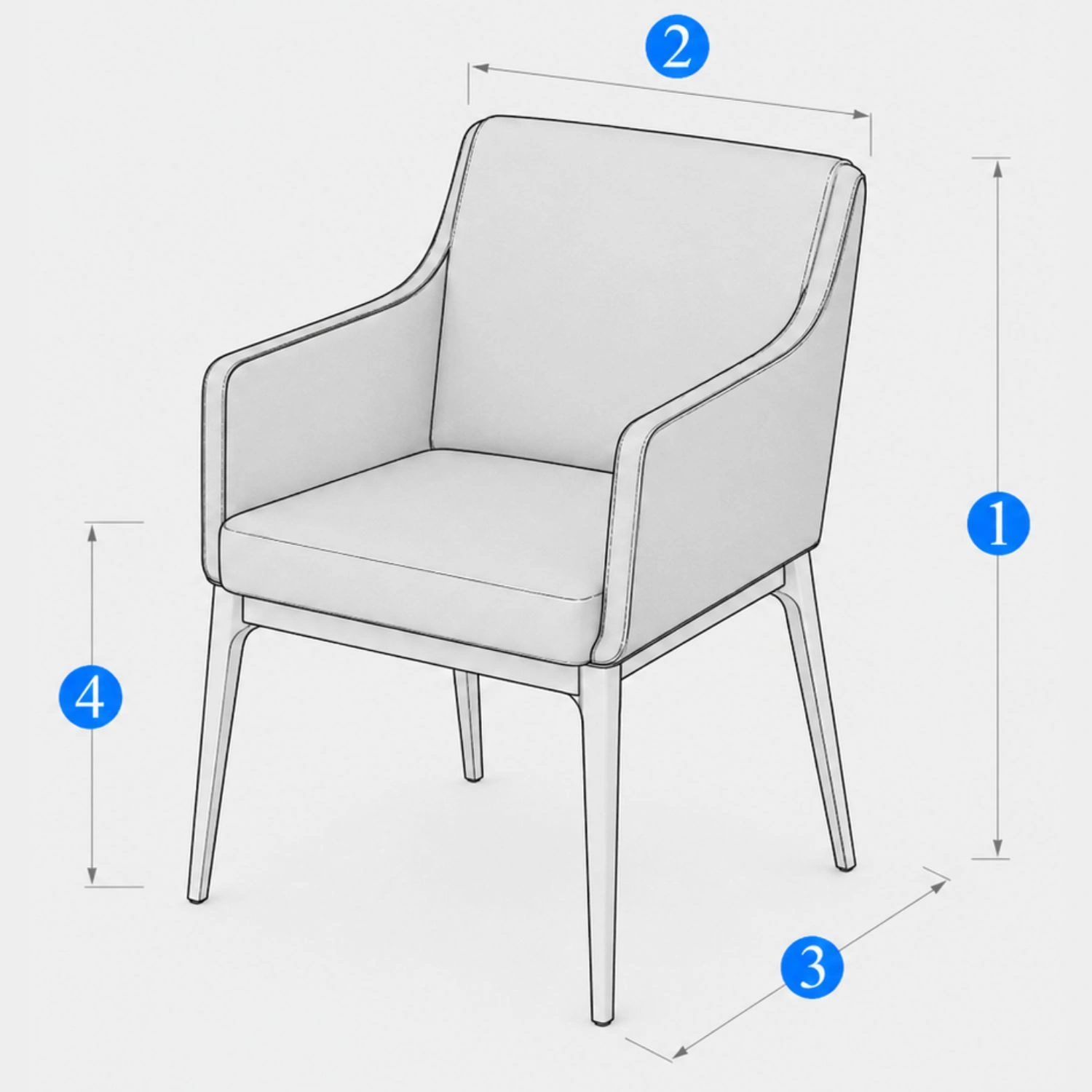
The problem with standard chair covers is that chairs are not standard. Back heights, seat depths, armrest widths, and leg configurations vary enormously between brands and styles. This guide explains how to take three straightforward measurements from your chair and what to expect from a cover made to those numbers.
Width
Width is the broadest horizontal measurement of your chair. For chairs with armrests, measure from the outside edge of the left armrest to the outside edge of the right armrest. Do not measure the seat. The armrests are almost always wider than the seat and the cover needs to clear them. For chairs without armrests, measure the outer width of the seat frame from edge to edge.
If your chair has any decorative elements or hardware that protrude beyond the main frame, include those in your width measurement. The cover needs to slip over the widest point without catching.
Depth
Depth is the front-to-back measurement. Stand to one side of the chair and measure from the frontmost point to the backmost point. On most chairs this is from the front edge of the seat or front legs to the back legs or rear of the back frame. Some chairs have legs that splay outward, which can make the leg footprint deeper than the seat itself. If the legs protrude behind the seat back, measure to the rear of the legs.
Include any ground-level crossbars or stretchers in your depth measurement if they extend beyond the main frame footprint.
Height
Height is from the ground to the top of the chair back. Stand a tape measure vertically beside the chair and measure from the floor to the highest point of the backrest. On chairs with a curved or arched back, measure to the highest point of the arch. On chairs with a straight top rail, measure to the top of that rail.
This measurement determines how long the cover is. The cover drops from the top of the chair back and closes at the ground, so an accurate height keeps the hem in the right place.
The material
All our covers are made from 200gsm solution-dyed polyester. At this weight the fabric is substantial enough to hold its shape on a single chair without being too heavy to handle easily. It drapes well over a standard chair frame and the hem sits close to the ground without needing weights or ties in normal conditions.
The solution-dyed construction means the colour is part of the fibre rather than a surface treatment. Many cheaper outdoor covers look fine when new but develop patchy fading or surface cracking after a couple of Australian summers. Solution-dyed fabric ages more evenly and stays flexible through heat and UV exposure rather than becoming brittle.
The fabric is waterproof for normal outdoor rain. Water beads and runs off the surface. In very heavy, driving rain some moisture may find its way through seams, particularly if the cover is under sustained pressure. For most residential use this is not an issue. If you leave chairs permanently outdoors through a wet season, a veranda or awning overhead will extend the life of both the cover and the chair.
Care
Wipe the cover down with a damp cloth for routine cleaning. For bird droppings or dirt that has dried on, use mild soap and a soft brush and rinse well with the hose. Let the cover air-dry completely before putting it back on the chair or storing it. Do not machine wash or tumble dry.
Store unused covers folded loosely in a cool, dry place out of direct sun. If you rotate covers through a set of chairs, keeping the spare covers out of UV when not in use will significantly extend how long they last. A single chair cover used every day will naturally show more wear than one that alternates with another, but with routine care both should give you several years of use.