The Complete Guide
Custom Made Cushion Storage Covers — The Australian Owner's Complete Guide
Outdoor cushions are one of the more overlooked things to protect in a backyard. They are also one of the more expensive things to replace. This guide covers how to measure for a custom cushion storage cover and how to get the most out of it.
Why outdoor cushions need proper storage
Most outdoor cushion fabric is designed to resist moisture and mould to a degree. It can handle being rained on and drying out again. What it is not designed for is sitting wet for days at a time, especially when cushions are stacked on top of each other and moisture cannot escape.
Stacked wet cushions are one of the most reliable ways to get mould through a whole set. The middle cushions in a stack cannot breathe or dry, and mould grows in the damp fill material. By the time you notice it, it has usually spread across several cushions at once.
A cover that keeps rain off the pile in the first place solves the problem before it starts.
How to measure your cushion stack
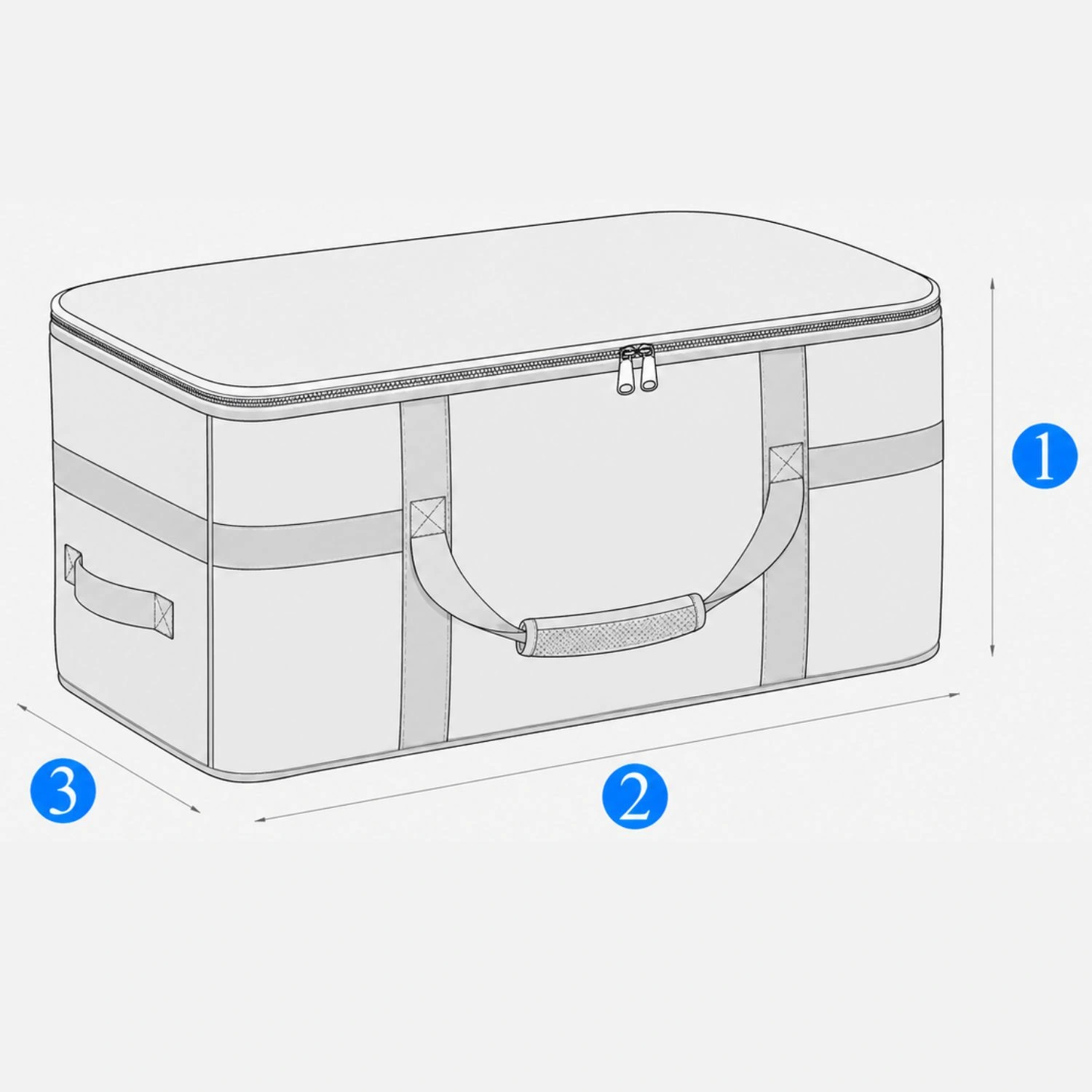
Stack the cushions in the way you normally store them. This is the critical step. The cover is made for the pile as it sits, not for cushions measured individually. Different cushion combinations stack differently, and the measurements need to reflect your actual setup.
Length
Length is the longest dimension of the stack. On most setups this is the length of the seat cushions, which are usually the longest pieces in the pile. If back cushions or bolsters extend further, use that dimension.
Width
Width is the widest point of the pile, measured side to side. If your cushions are different widths — seat cushions are often wider than back cushions — measure at the widest point of the whole stack. The cover needs to fit the widest point, so that is the measurement to use.
Height
Height runs from the ground to the very top of the stack with all cushions piled up. A set of cushions for a large outdoor setting can stack to 70 or 80 cm or more. This is where custom covers earn their value — standard products rarely account for the actual height of a full cushion stack.
Keeping cushions dry without causing mould
The rule is simple: cover dry cushions. A cover keeps new moisture out. It does not dry out cushions that are already wet.
If cushions get rained on, allow them to dry in the sun before stacking and covering. Prop them upright so air can move around each one. Once they are dry, stack and cover.
In persistently damp weather where cushions never fully dry between rain events, consider bringing them inside for the period. A cover works best as a day-to-day rain and dust barrier, not as a remedy for ongoing wet conditions.
Material
The cover is made from 200gsm solution-dyed polyester. The face fabric holds its colour in full sun because the pigment runs through the fibre rather than sitting on the surface. The polyurethane underside is waterproof and stays flexible through temperature changes.
The fabric weight — 200gsm — is heavy enough to stay in place on a cushion pile in normal wind conditions without being difficult to fit or remove.
Care
Rinse the outside of the cover with a hose when it accumulates visible dust or dirt. Do not machine wash. Spot clean any marks with warm soapy water and allow to dry fully before storing. When the outdoor season starts and you no longer need the cover, fold it loosely and store it out of direct UV to extend its life.